Coffin Street Conservation Area
Grasslands Framed by Forest and Wetlands
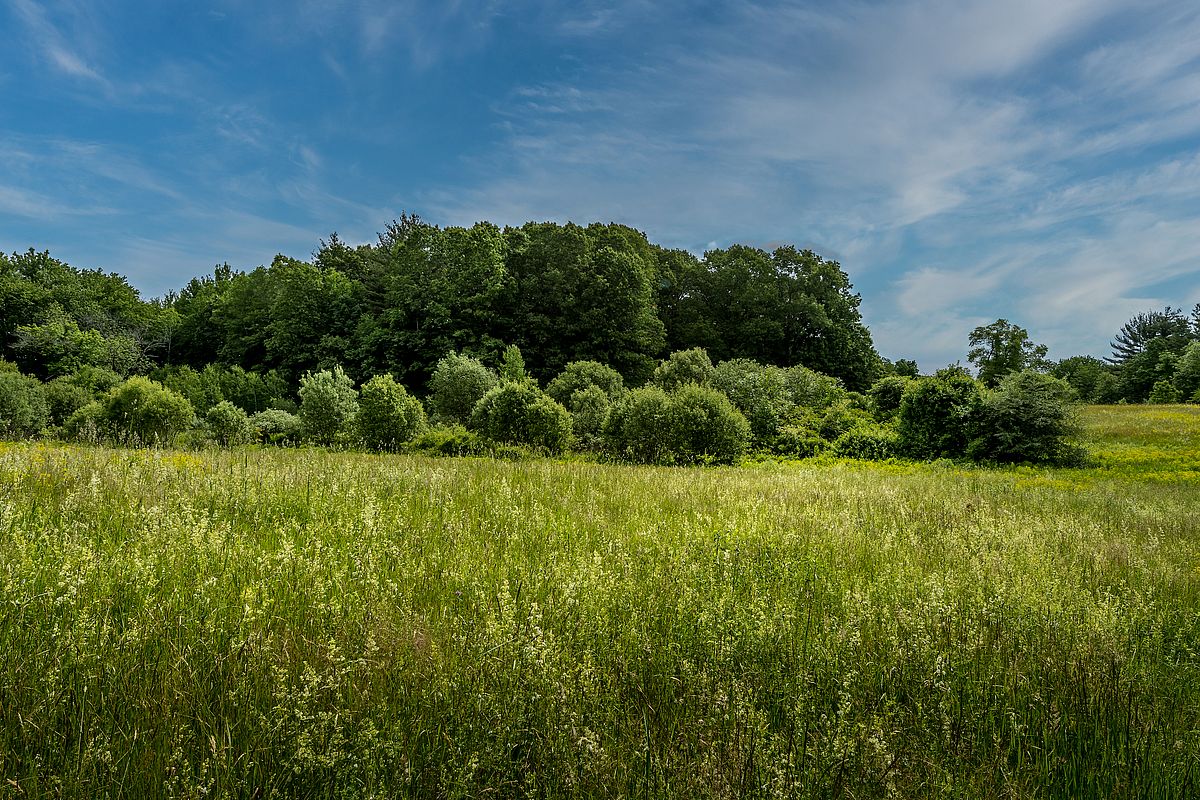
A Diverse Landscape with Pond, Open Fields, and Forest Linked to a Larger Trail System

Please wait, map is loading.
Location, Directions & Parking
Parking is located at the end of Cortland Lane, West Newbury (Opens in Google Maps)

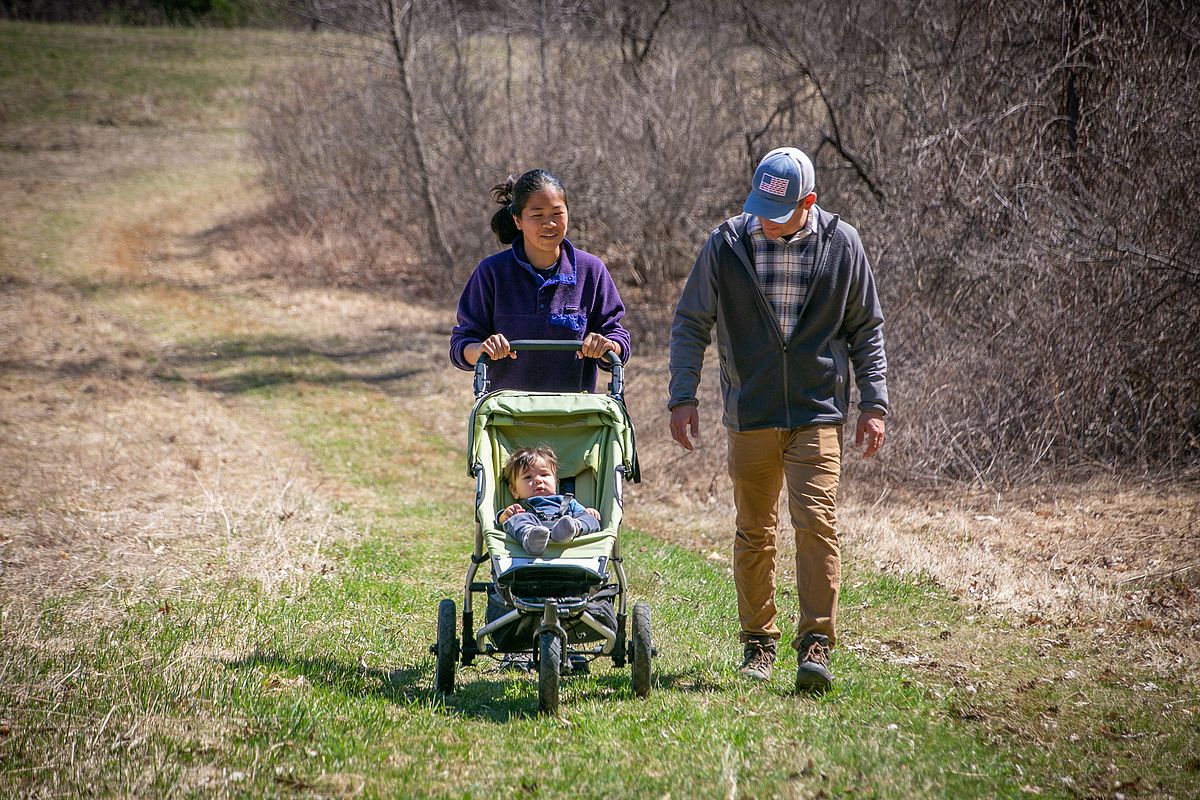
Trails at the Coffin Street Conservation Area cross its namesake street to link with the 195-acre Riverbend Conservation Area to the east. From there, trails continue south across Route 133, connecting to Mill Pond and Pipestave Hill Conservation Areas, with Greenbelt holding a conservation restriction on Pipestave Hill.
The Town of West Newbury is located on the ancestral homelands of the Pawtucket people. This area was once known as Quascacunquen, meaning “the best place to plant corn." Over time, many families lived on and worked the land that now makes up and surrounds the Coffin Street Conservation Area. Among them was Charles “Cormac” Annis, believed to be one of the first Irish settlers to grow potatoes in the region, and the Carr family, descendants of George Carr, an early settler of Salisbury and captain of the Merrimack River ferry.*
*Source: Town of West Newbury website; local historical records.
Greenbelt partnered with the Town of West Newbury and a local community group to protect this land. The property was conserved in two phases between 2022 and 2023, creating today’s 53-acre conservation area. West Newbury Community Preservation Act Fund provided some of the money needed to conserve the property.
Flora
Despite its modest size, the Coffin Street Conservation Area is surprisingly diverse, with five different habitat types. The centerpiece is a 3-acre grassland dotted with a small patch of shrubs and gray birch. On the eastern side of the property lies an early successional thicket — a dense mix of young shrubs and trees that provides critical habitat for songbirds and other small mammals.
Fauna
This landscape supports a wide variety of wildlife, thanks to its mix of habitats. Songbirds use the shrubs for nesting and feeding, while red-shouldered hawks hunt over the open field. The forest provides shelter for white-tailed deer and wild turkeys.
The pond is home to wetland species such as red-winged blackbirds and great blue herons. A vernal pool provides a safe breeding spot for amphibians, protecting their eggs and tadpoles from fish.
Get GreenbeltGo Trails App
Land Acknowledgment
The properties that Greenbelt conserves are on the ancestral lands of the Pennacook and the Pawtucket, bands of Abenaki-speaking people. Join us in honoring the elders who lived here before, the Indigenous descendants today and the generations to come. Learn more…
Conservation Partners