
“Nature's Cleanup Crew”
Film Screening and Q&A with wildlife biologist Dr. Stephanie Eby
"With the help of thoughtful and passionate scientists who have come to understand and love them, we find out what makes scavengers tick. We debunk myths about them. We ask: What adaptations have they evolved to do their job? What benefits do they provide to humanity? How can we humans work with them, so that they can do their job even better?
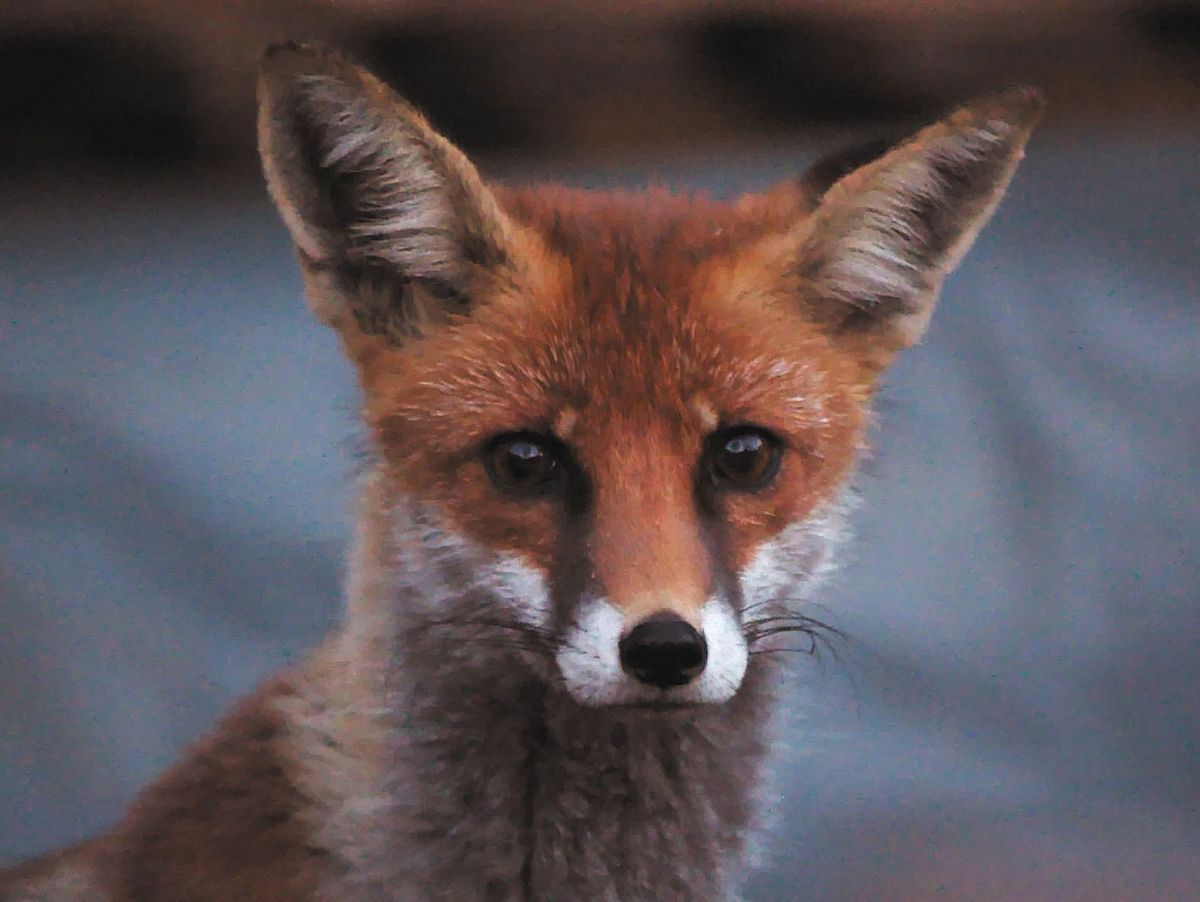
On Broadway in Manhattan, we see the tourist crowds from the ants' point of view, as a team of young entomologists discover how important they are to keeping the streets clean. In Berlin, we discover how scavenging foxes have adapted to survive in an urban environment—something they've had to do because they have nowhere else to go. In Toronto we hunt for the elusive opossum—the shyest scavenger of all—to find out how they help to make our cities healthier. In Addis Ababa, Ethiopia we track the city's teaming population of vultures to find out how they protect people from deadly disease.
By the end, we may not all see nature's cleanup crew as beautiful creatures the way some scientists do, but we're likely to be willing to give them the respect they deserve."
The film will be followed by a Q&A with terrestrial biologist Dr. Stephanie Eby, from Northeastern University's Marine and Environmental Sciences Department. Dr. Eby teaches Conservation Biology, Ecology, Landscape and Restoration Ecology, and Wildlife Ecology. Her past research has covered a wide range of disciplines including fire ecology, animal behavior, ecosystem interactions, herbivory, predator-prey interactions, ecosystem state changes, disease ecology, and conservation.
Location of Film Screening and Q&A:
Lynn Museum & Arts Center
590 Washington St.
Lynn, MA
(**NOTE: Like many nature documentaries, this film does show deceased animals in two segments of the film: the segments on foxes and vultures. Neither scene is gratuitous, but in the vultures segment, the audience will see vultures feeding on deceased cattle. Each depiction is brief and serves to illustrate an important point for the scientists working with the animals in question. We think the overall positive message of the film is important enough to show it in its entirety.)
Seating is limited, so please RSVP below! See you there!